Supporting Children’s Growth Through Education, Health, and Activities
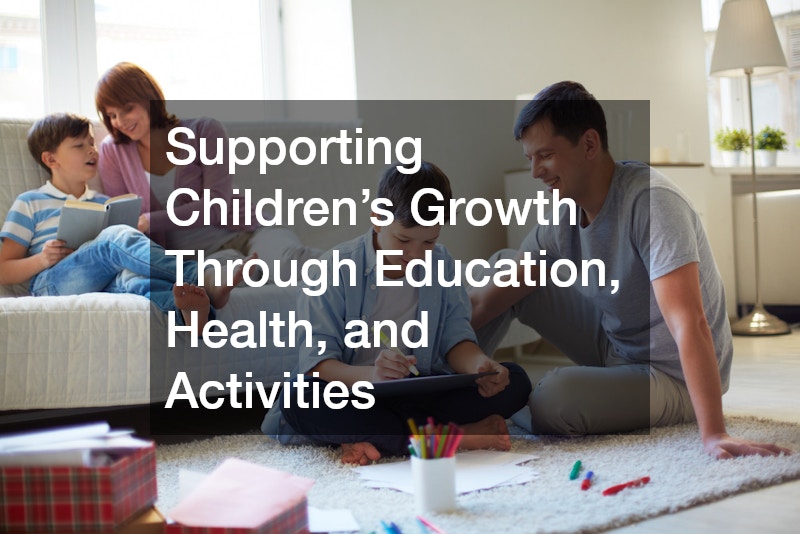
Raising well-rounded children means nurturing more than academic success alone. True development comes from a balance of education, physical health, emotional intelligence, creativity, and real-world skills. When families intentionally support children across these areas, they help build confidence, resilience, and independence that last well into adulthood.
This guide explores practical ways parents and caregivers can support children’s growth through learning environments, wellness care, structured activities, and everyday experiences. Each section offers clear, actionable advice that families can adapt to different ages and stages, helping children thrive both now and in the future.
Encouraging Responsibility and Independence as Children Mature
As children grow older, teaching responsibility becomes just as important as teaching academic concepts. Independence develops gradually when kids are trusted with age-appropriate tasks and real-life decision-making opportunities.
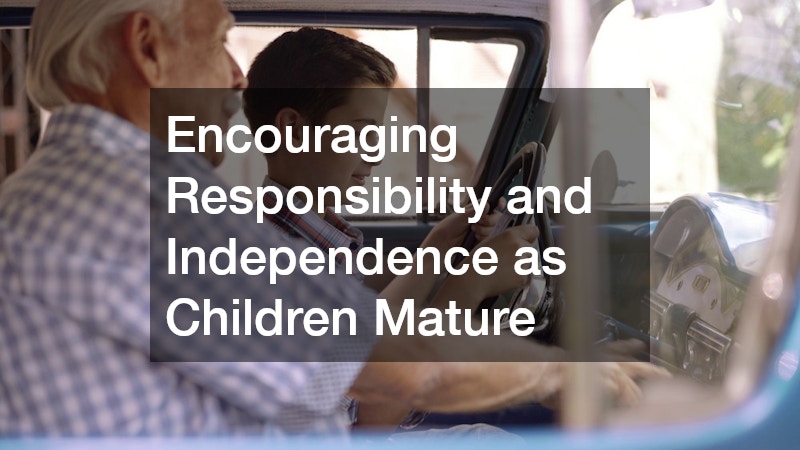
One powerful way to foster responsibility is by introducing structured learning environments that teach accountability and safety. Enrolling teens in a driving class provides more than technical instruction; it reinforces time management, rule-following, risk awareness, and personal responsibility. Parents can extend these lessons by setting clear expectations around practice hours, vehicle care, and respectful behavior on the road.
At home, assigning consistent chores, managing schedules, and involving children in planning family logistics helps reinforce independence. Allowing kids to experience natural consequences, while still providing guidance, builds confidence and prepares them for adulthood. The goal is not perfection, but gradual growth supported by trust and structure.
Teaching Empathy and Emotional Awareness Through Animal Care
Emotional intelligence is a critical life skill that develops through experience, reflection, and connection. Interactions with animals can be especially powerful in helping children learn empathy, patience, and responsibility.
Families with pets can turn everyday care into meaningful learning moments. Working alongside a dog trainer teaches children how consistent communication, positive reinforcement, and calm behavior influence outcomes. Kids learn that animals respond to tone, body language, and trust—lessons that translate directly to human relationships.
Parents can encourage children to take part in feeding schedules, grooming routines, and training exercises. Talking through challenges, such as why a dog might feel anxious or distracted, helps kids practice perspective-taking. These experiences build emotional awareness while reinforcing accountability and compassion.
Building Social Skills Through Structured Group Experiences
Social development thrives when children interact with peers in shared environments that encourage cooperation and communication. Structured group settings allow kids to practice teamwork, conflict resolution, and leadership in a supportive way.
Participation in a day camp offers children a unique blend of independence and supervision. Camps expose kids to new routines, diverse personalities, and problem-solving scenarios outside the classroom. Activities such as group games, collaborative projects, and shared responsibilities help children develop confidence in social settings.
Parents can support these experiences by discussing daily interactions, celebrating effort rather than outcomes, and encouraging kids to reflect on what they learned. Asking open-ended questions about friendships and challenges reinforces emotional growth while helping children feel heard and supported.

Supporting Lifelong Oral Health Through Early Habits
Physical health plays a foundational role in children’s overall development, and oral health is often overlooked until problems arise. Establishing positive dental habits early sets children up for long-term wellness and confidence.
Regular visits to a pediatric dentist help children become comfortable with preventive care while allowing professionals to monitor growth, alignment, and hygiene habits. Parents can reinforce these visits by modeling good brushing and flossing routines at home and explaining why oral health matters.
Making dental care engaging, using timers, fun toothbrushes, or family routines, reduces resistance and builds consistency. When kids understand that health maintenance is a form of self-care rather than a chore, they are more likely to carry those habits into adulthood.
Developing Physical Confidence Through Strength and Coordination
Physical activity supports not only fitness but also cognitive development, emotional regulation, and self-esteem. Programs that emphasize skill-building and body awareness can be especially beneficial for growing children.
Participating in a gymnastics program helps children develop strength, flexibility, balance, and discipline. Beyond physical benefits, gymnastics teaches goal-setting, perseverance, and body confidence. Kids learn how effort leads to progress, even when skills take time to master.
Parents can encourage growth by celebrating milestones, supporting consistent attendance, and emphasizing enjoyment over competition. Ensuring children listen to their bodies and rest appropriately also reinforces healthy attitudes toward physical activity and self-care.
Nurturing Creativity and Confidence Through Movement and Expression
Creative expression allows children to explore emotions, build confidence, and develop a deeper understanding of themselves and others. Activities that combine movement with creativity, such as dance, theater, or martial arts, engage both the body and mind, helping children develop coordination, focus, and self-awareness in enjoyable ways. Expressive movement encourages kids to experiment, make decisions, and learn to communicate nonverbally, which strengthens overall emotional intelligence.
Enrolling children in ballroom dance lessons provides a structured yet expressive outlet that fosters multiple skills at once. Beyond learning rhythm, posture, and footwork, children develop teamwork, patience, and respectful communication. Partnered exercises require cooperation and active listening, while group routines build social awareness and a sense of shared accomplishment. Following choreography and memorizing steps also improves concentration, memory, and perseverance—skills that naturally transfer to academic and everyday problem-solving contexts.
Parents can play a vital role in nurturing these skills at home by creating practice opportunities, celebrating effort rather than perfection, and framing mistakes as an essential part of the learning process. Attending recitals, encouraging creative improvisation, and discussing experiences after class reinforce learning and support self-confidence. By validating their child’s efforts and fostering a safe space for self-expression, families help children develop not only creative abilities but also the confidence to take risks, embrace challenges, and interact positively with peers and adults alike.
Choosing Learning Environments That Support Whole-Child Development
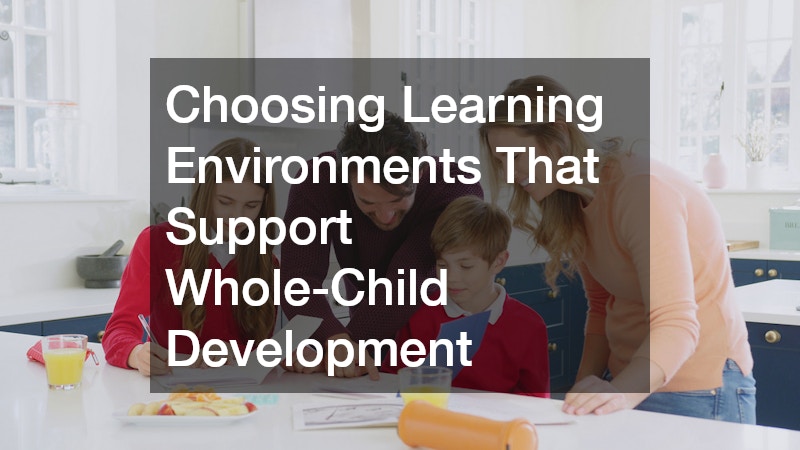
Education is most effective when it nurtures academic achievement alongside emotional intelligence, social skills, and personal growth. Children learn best in environments where they feel supported, understood, and encouraged to explore their strengths. Schools that emphasize individual attention, collaboration, and community values often create a foundation for well-rounded development.
A private elementary school may offer smaller class sizes, more personalized instruction, and increased opportunities for parent involvement. These settings enable educators to tailor teaching methods to various learning styles, offer timely feedback, and cultivate stronger relationships with students. Enriched curricula, hands-on projects, and character education programs can further support cognitive and emotional growth during critical early years.
When evaluating educational options, parents should look beyond standardized test scores. Factors such as teacher engagement, communication with families, classroom culture, and attention to student well-being all contribute to a child’s learning experience. Observing how a school supports curiosity, creativity, and problem-solving can offer valuable insight.
Learning does not stop at the classroom door. Reinforcing education at home through shared reading, open-ended discussions, and encouragement of questions helps children connect learning to real life. When families actively support education, children begin to view learning as a lifelong journey rather than a short-term requirement.
Teaching Safety Awareness Through Everyday Learning Moments
Understanding safety empowers children to navigate the world with confidence, awareness, and a sense of control. Rather than relying on fear-based messaging, families can integrate safety education naturally into everyday routines, helping children view preparedness as a normal and manageable part of life. When safety is taught calmly and consistently, children are more likely to retain information and respond effectively when it matters most.
Discussing fire safety in age-appropriate ways helps children understand how to act calmly during emergencies without feeling frightened. Walking through evacuation plans together, identifying safe exits in the home, and explaining the role of smoke detectors and alarms make safety concepts concrete and easy to remember. Repetition over time reinforces these lessons and builds familiarity.
Parents can further support learning through simple role-play scenarios, such as practicing what to do if an alarm sounds or how to safely exit a room. These activities help children develop muscle memory and confidence, reducing panic in real situations. Regular conversations also create space for children to ask questions, clarify misunderstandings, and share concerns.
By encouraging open dialogue and involving children in safety planning, families build trust and reassurance. Children who feel informed and prepared are less likely to feel overwhelmed and more likely to act responsibly. These everyday learning moments instill lifelong habits that promote awareness, confidence, and personal responsibility.
Addressing Physical Development Concerns Early and Proactively
Children grow rapidly, and changes in posture, gait, coordination, or overall comfort can sometimes signal underlying physical concerns. Paying close attention to physical development allows parents and caregivers to identify potential issues early, before they interfere with mobility, confidence, or daily activities. Even subtle signs, such as frequent complaints of soreness, uneven movement, or avoiding physical play, can provide valuable clues.
Visits to an orthopedic clinic can offer clarity and reassurance when children experience recurring pain, sports-related injuries, or limitations in movement. Early evaluation helps identify alignment concerns, growth-related conditions, or overuse injuries that are common during developmental stages. With timely guidance, children can receive targeted care plans that support proper healing and promote healthy movement patterns without unnecessary restrictions.
Parents play a key role in reinforcing physical awareness at home. Teaching children to listen to their bodies, communicate discomfort clearly, and understand the importance of rest encourages lifelong health literacy. Simple habits such as warming up before activity, stretching afterward, and balancing activity with recovery help reduce injury risk.
Following professional recommendations and prioritizing follow-up care reinforces the idea that health maintenance is proactive, not reactive. When children learn that seeking help early supports long-term strength and mobility, they develop a healthier, more confident relationship with their bodies as they grow.
Supporting Self-Esteem Through Personal Care and Routine
Personal care routines play a subtle but powerful role in children’s self-image. Feeling comfortable and confident in one’s appearance supports emotional well-being, encourages self-respect, and helps children feel more secure in social settings. When daily routines are predictable and supportive, children are better equipped to manage transitions, express themselves, and develop a sense of control over their bodies and choices.
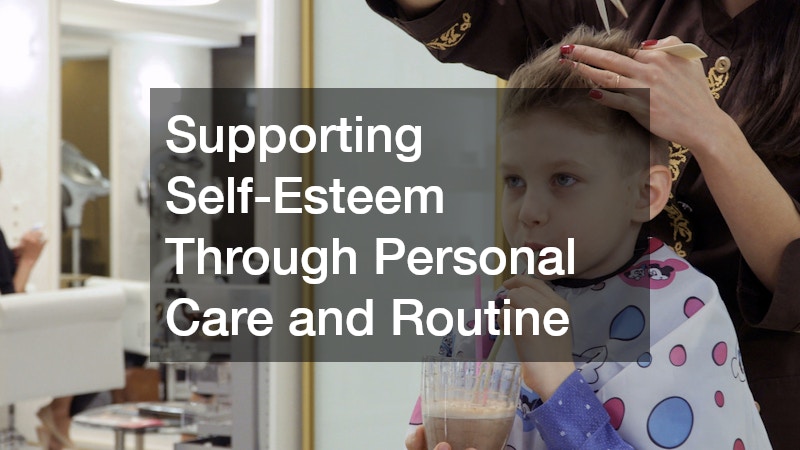
Regular visits to a hair salon can be an important part of this process, helping children learn basic grooming habits while also offering an opportunity for self-expression. Simple decisions, such as choosing a hairstyle, length, or part, allow kids to practice autonomy in a safe and guided way. Over time, these small choices reinforce confidence and help children understand that their preferences matter.
Parents can further support self-esteem by framing personal care as an act of wellness rather than appearance-based judgment. Conversations that focus on cleanliness, comfort, and feeling good throughout the day encourage healthy habits without creating pressure to look a certain way. Involving children in routines like brushing hair, choosing clothing, or maintaining hygiene builds responsibility and consistency.
When personal care is presented as a form of self-respect and individuality, children learn to value themselves beyond external validation. These routines become empowering tools that support confidence, independence, and a positive self-image as children grow.
Supporting children’s growth requires a thoughtful balance of education, health, creativity, and real-world experiences. When families intentionally invest in these areas, they help children develop resilience, confidence, and the practical skills needed to navigate life’s challenges with independence and self-assurance. Growth is not a single milestone but a continuous process shaped by everyday interactions, routines, and opportunities for learning both inside and outside the home.
By creating environments that encourage curiosity, prioritize physical and emotional wellness, and celebrate individuality, parents and caregivers lay the foundation for lifelong development. Children thrive when they feel supported academically, physically capable, emotionally understood, and free to explore their interests. Exposure to diverse experiences helps them discover strengths, overcome setbacks, and learn how effort leads to progress over time.
Equally important is consistency. Small, intentional choices, such as encouraging open communication, modeling healthy habits, and allowing children to take age-appropriate responsibility, reinforce positive growth patterns. These daily actions teach children how to make decisions, manage challenges, and build confidence in their abilities.
When families approach development holistically, they empower children to grow into well-rounded individuals who are adaptable, empathetic, and prepared for the future. With patience, guidance, and ongoing support, children gain the tools they need not only to succeed but to thrive throughout every stage of life.

Post Comment