The Family Guide to Health, Education, and Everyday Life

Families make countless decisions every day to support the people they love. Some choices are simple, such as deciding what to have for dinner or planning a weekend activity. Others can have a lasting effect on a child’s health, education, development, and overall well-being. Knowing where to turn for reliable support can make these decisions feel more manageable.
A child’s needs also change significantly as they grow. Young children may need help establishing healthy routines, developing social skills, and adjusting to their first educational experiences. As they get older, families may need to think about different educational environments, extracurricular activities, physical health needs, and opportunities for personal growth. Parents may also have responsibilities that extend beyond their children, including caring for pets and maintaining their own health.
Creating a supportive family environment does not mean finding one solution that works for everyone. Instead, it involves understanding the resources available and choosing options that fit each family member’s needs. Health care professionals, educators, community organizations, and other service providers can all contribute to a family’s quality of life.
By approaching these decisions thoughtfully, families can create routines and support systems that encourage healthy development, learning, independence, and connection throughout childhood and beyond.
Maintaining Healthy Teeth From an Early Age

Good oral health starts during childhood. Establishing healthy habits early can help children understand the importance of caring for their teeth and make dental care a normal part of their routines. Parents can encourage children to brush their teeth regularly, floss when appropriate, and make nutritious choices that support oral health.
Regular visits to a dentist can also help families stay ahead of potential problems. Professional examinations allow dental professionals to monitor a child’s developing teeth and identify concerns that may require attention. Depending on a child’s age and individual needs, appointments may include cleanings, examinations, discussions about brushing techniques, and recommendations for maintaining healthy teeth at home.
Parents can make dental visits easier by presenting them as a normal part of staying healthy rather than something to fear. Young children may benefit from age-appropriate explanations about what will happen during an appointment. Reading books about dental visits or allowing children to ask questions beforehand can also make the experience more familiar.
Parents should also pay attention to changes in a child’s oral health between appointments. Tooth pain, sensitivity, swelling, bleeding, or changes in the appearance of the teeth may warrant professional attention. Addressing concerns promptly can help prevent minor issues from becoming more complicated.
As children become more independent, parents can gradually shift responsibility for daily oral hygiene to them while continuing to provide reminders and supervision when necessary.
Knowing When Specialized Dental Care May Be Needed
While routine dental care addresses many common oral health needs, some circumstances require more specialized attention. Families may be referred to an oral surgeon when a child or teenager needs treatment that goes beyond standard dental procedures.
An oral surgeon has specialized training in surgical procedures involving the mouth, jaw, and related structures. Depending on the patient’s circumstances, treatment may involve wisdom teeth, impacted teeth, jaw-related concerns, facial injuries, or other conditions.
Parents may feel uncertain when a child is referred for specialized care. Asking questions can help families understand why the referral was recommended, what treatment may involve, and what recovery could look like. Families can also discuss anesthesia options, aftercare instructions, and any restrictions that may apply following a procedure.
Not every child will need specialized dental treatment, but understanding when it may be appropriate can help parents respond confidently if a referral becomes necessary. Keeping dental records organized and communicating information between providers can also help ensure that everyone involved understands the child’s needs.
Finding Meaningful Community Activities for Children
Children benefit from opportunities to connect with people outside their immediate household. Community activities can help young people develop friendships, explore interests, practice communication, and build a sense of belonging.
Parents looking for a youth group near me may find options through local organizations, churches, community centers, schools, or other youth-focused programs. The right choice depends on the child’s interests, age, personality, and the family’s schedule.
A community group can provide more than an activity to fill free time. Children may have opportunities to participate in service projects, recreational activities, discussions, creative programs, or group events. These experiences can encourage teamwork and give children opportunities to take on responsibilities.
Parents should consider the group’s values, supervision policies, meeting schedule, activities, and overall environment before enrolling a child. It can also be helpful to ask whether children can attend an introductory meeting before committing to regular participation.
As children grow older, their interests may change. A child who once preferred structured activities may eventually want more independence or seek a group centered around a specific interest. Giving children opportunities to explore different activities can help them discover where they feel comfortable and connected.
Choosing the Right Elementary Education

Elementary school is an important period for developing academic skills and positive attitudes toward learning. Children begin building stronger reading, writing, mathematics, and problem-solving abilities while also learning how to manage responsibilities and work with classmates.
When evaluating a private elementary school, parents can consider several factors beyond academic performance. The school’s teaching philosophy, class sizes, extracurricular opportunities, communication with families, and approach to student support can all influence the educational experience.
Parents may want to visit potential schools and observe the learning environment. Questions about curriculum, teacher qualifications, classroom routines, homework expectations, and opportunities for individualized instruction can provide useful information.
The right school should also align with a child’s personality and learning needs. Some students thrive in highly structured environments, while others may benefit from opportunities for exploration and hands-on learning. Families should consider whether the school’s approach complements the way their child learns and interacts with others.
Practical factors matter, too. Transportation, school hours, tuition, extracurricular schedules, and the distance from home can affect whether a particular option works for the entire household.
Preparing Children for the Middle School Years
The transition into middle school can bring significant changes. Students may encounter more teachers, greater academic expectations, new social situations, and increased responsibility for managing their schedules.
Families considering private middle schools can begin by identifying the type of environment in which their child is most likely to thrive. Parents may want to ask about academic programs, class sizes, extracurricular activities, student support, and how the school helps students transition into a more demanding academic setting.
Middle school students are also beginning to develop greater independence. Parents can encourage this development by helping children learn how to organize assignments, manage deadlines, communicate with teachers, and advocate for themselves.
At the same time, children may still need substantial parental support. Regular conversations about school can help parents recognize challenges without taking over responsibilities that students are capable of managing themselves.
Social development is another important consideration. A supportive school environment can help students navigate friendships, disagreements, changing interests, and the increased social complexity that often accompanies adolescence.
Supporting Students Through Their High School Years
High school can be a period of academic growth, personal exploration, and preparation for life after graduation. Students may begin thinking more seriously about college, vocational training, employment, or other future plans.
When evaluating a private high school, families can consider whether the school offers academic programs that align with the student’s interests and goals. Advanced courses, career-focused programs, extracurricular activities, athletics, arts programs, and student organizations may all contribute to a well-rounded experience.
Parents should also look at how the school supports students beyond the classroom. Academic advising, college or career counseling, tutoring, and other resources may help students make informed decisions about their futures.
Teenagers often want more independence, so families may need to adjust their approach as students mature. Instead of making every decision for them, parents can provide guidance while encouraging teenagers to take ownership of their education and goals.
Communication remains important throughout high school. Parents can stay involved by discussing academic progress, future plans, activities, and challenges while respecting their teenager’s growing independence.
Creating a Strong Foundation for Early Learning
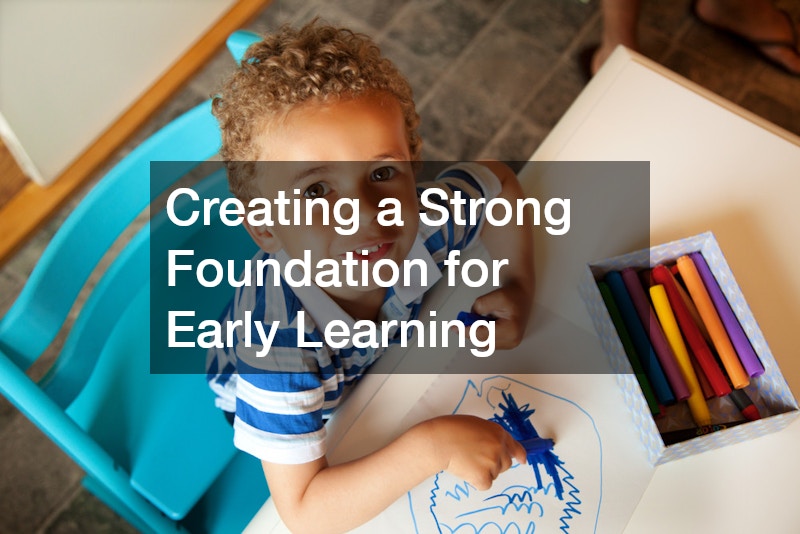
Early childhood experiences can influence how children approach learning, communication, and social interaction. Before formal schooling begins, children can benefit from environments that encourage curiosity, creativity, language development, and cooperation.
A private preschool may offer structured opportunities for children to learn through play, exploration, stories, music, art, and age-appropriate academic activities. These experiences can help children become familiar with classroom routines while developing skills that support future learning.
Parents should consider the program’s approach to early childhood education. Questions about teacher qualifications, classroom sizes, daily schedules, outdoor activities, safety procedures, and communication with families can help parents determine whether a program is appropriate.
Children also differ in how they respond to new environments. Some may quickly become comfortable in a classroom, while others need additional time and reassurance. Families can help by discussing school positively, establishing consistent routines, and allowing children to practice age-appropriate independence at home.
A strong early learning environment should support the whole child. Academic preparation matters, but so do social skills, emotional development, physical activity, creativity, and the ability to communicate needs.
Helping Children Transition Into Formal Education
Starting kindergarten is a major milestone. For many children, it represents their first experience with a full-day educational routine and greater independence from their parents.
Families can make the transition easier by preparing children for common school routines ahead of time. Practicing getting dressed, putting away belongings, using the restroom independently, opening lunch containers, and following simple instructions can help children feel more confident.
Parents can also talk about what school may be like without creating unrealistic expectations. Explaining that children will meet teachers, make friends, learn new things, and follow classroom routines can make the experience feel more familiar.
When comparing kindergarten programs, families can consider classroom size, curriculum, teacher experience, schedules, student support, and opportunities for play and physical activity. Visiting a potential school can also help parents understand the environment firsthand.
The transition may take time. Some children adjust quickly, while others need several weeks to become comfortable. Maintaining consistent routines at home and communicating with teachers can help parents identify and address concerns during the adjustment period.
Supporting Movement, Recovery, and Physical Well-Being
Children’s physical health can affect how comfortably they participate in school, sports, play, and everyday activities. Injuries, developmental concerns, or other physical challenges may sometimes require additional support.
Physical therapy can help individuals work toward improved movement, strength, flexibility, balance, and function when recommended by a qualified health care professional. For children, treatment may be adapted to their age and interests so that exercises feel engaging and manageable.
Parents should communicate with the appropriate health care professionals about symptoms, limitations, and treatment goals. If a child is recovering from an injury, following the recommended treatment plan can help support the recovery process.
Families can also encourage healthy movement in everyday life. Outdoor play, age-appropriate physical activity, stretching, and opportunities to develop coordination can all contribute to overall physical well-being.
Parents should pay attention when a child consistently experiences pain, difficulty moving, unusual fatigue during physical activities, or challenges completing ordinary tasks. Discussing these concerns with a qualified provider can help determine whether further evaluation is appropriate.
Providing Prompt Care When a Pet Needs Help

Pets are often important members of the family, and their health deserves thoughtful attention. While routine veterinary appointments and preventive care can help maintain a pet’s well-being, unexpected problems can sometimes occur.
Knowing where to turn for an emergency vet before a crisis happens can save valuable time. Families should keep important veterinary records accessible and know how to contact their regular veterinary office and an appropriate emergency facility.
Signs that may require urgent attention can include difficulty breathing, severe bleeding, significant trauma, loss of consciousness, seizures, poisoning, or other sudden and serious changes in behavior or physical condition. When a pet appears seriously ill or injured, families should contact a veterinary professional promptly for guidance.
Preparing ahead can make stressful situations easier to manage. Keeping a pet carrier, leash, basic supplies, medications, and important contact information readily available can help families respond quickly.
Children can also learn how to interact safely with pets. Teaching them not to disturb an animal while it is eating, sleeping, frightened, or injured can reduce the risk of accidents and help children develop respect for animals.
Family life involves an ongoing series of decisions about health, education, activities, routines, and relationships. What works for one household may not work for another, and children’s needs can change considerably as they grow. Rather than looking for one perfect solution, families can focus on building a flexible support system that evolves over time.
Health care is an important part of that process. Establishing good oral hygiene habits, maintaining regular appointments, seeking specialized care when necessary, and addressing physical concerns can help children remain healthy and active. Caring for family pets also requires preparation, from routine preventive care to knowing where to seek urgent assistance when unexpected problems occur.
Education is another major part of a child’s development. From early learning and kindergarten through elementary, middle, and high school, families can look for environments that match their children’s academic, social, and emotional needs. Visiting schools, asking questions, and considering each child’s personality can help parents make thoughtful choices.
Beyond health and education, children need opportunities to develop relationships and discover interests. Community activities can encourage connection, confidence, teamwork, and personal growth.
Ultimately, supporting a family means paying attention to the individual needs of each person while creating routines and resources that help everyone thrive. With thoughtful planning, open communication, and a willingness to seek appropriate professional support, families can navigate the many stages of childhood and everyday life with greater confidence.



Post Comment