Caring for Your Childrens Health Inside and Out

Caring for a child is a dynamic, multifaceted journey that encompasses far more than just managing occasional colds and scrap knees. True childhood wellness requires a holistic approach—one that addresses physical growth, oral development, emotional stability, and mental health in equal measure. As parents, creating a supportive environment means anticipating evolving healthcare needs and establishing healthy, lifelong habits from an early age. By staying proactive and attentive to every aspect of a child’s development, families can build a strong foundation that empowers children to thrive inside and out.
Safeguarding Oral and Dental Wellness

Oral hygiene is one of the earliest habits children develop, shaping how they view personal care throughout adulthood. Building strong routines during early childhood helps prevent long-term complications and ensures that visits to healthcare providers remain positive experiences.
Establishing Early Daily Routines
Establishing a consistent morning and night routine is essential for maintaining strong teeth and healthy gums. Children should be encouraged to clean every corner of their mouths using gentle, circular motions for at least two minutes twice a day. Supervising young children ensures they reach all areas, particularly the back molars where food particles tend to accumulate. Incorporating fun timers or interactive songs can turn what feels like a chore into an engaging activity. Parents should also introduce flossing as soon as two teeth touch, reinforcing the importance of removing hidden buildup.
- Choose a soft-bristled toothbrush with a small head designed specifically for primary teeth.
- Use a smear of fluoride toothpaste the size of a grain of rice for infants, expanding to a pea-sized amount for children over age three.
- Replace toothbrushes every three to four months, or immediately following a recovery from a cold or virus.
Managing Visual and Structural Changes
As children transition into adolescence, their concerns about their appearance often evolve alongside their structural development. Teens who notice discoloration from foods, drinks, or natural shifts might express interest in specialized brightening treatments. While options like teeth whitening services are widely advertised for adults, younger individuals require professional guidance to ensure their tooth enamel remains undamaged. Consulting a practitioner ensures that any brightening efforts are safe, age-appropriate, and monitored correctly to prevent temporary tooth sensitivity.
Correcting Misaligned Teeth Comfortably
Straightening teeth is another common aspect of adolescent oral care that impacts both self-esteem and functionality. Traditional metal options have evolved, giving older children and teenagers subtle alternatives to achieve a balanced smile. Many families look into modern options like invisalign to correct alignment issues without the hassle of restrictive dietary rules. These clear aligners allow young people to maintain proper hygiene far more easily than traditional metal brackets, making daily care straightforward while achieving excellent long-term results.
- Remove clear aligners during all meals, snacks, and warm drinks to prevent warping or staining.
- Clean aligner trays daily using warm water and a soft brush to keep them clear and bacteria-free.
- Store aligners in a protective case whenever they are not being worn to prevent loss or accidental damage.
Building Long-Term Professional Partnerships
Finding a trusted practice that specializes in childhood oral development ensures that every checkup is tailored to a child’s unique growth pattern. Working alongside a dedicated local pediatric dentist helps alleviate the common anxieties kids experience when visiting the clinic. These specialized professionals understand how to communicate with young patients, transforming routine checkups into educational opportunities that empower children to take pride in their bright smiles.
Choosing the Right Family Practice
For households with multiple children of varying ages, convenience and continuity of care are paramount. Establishing a relationship with a gentle family dentist allows the entire household to receive coordinated preventative care under one roof. Regular examinations allow professionals to detect potential alignment issues early, assess jaw development, and provide customized advice on diet and oral habits that keep the entire family smiling confidently.
Supporting Respiratory and ENT Health

Children are naturally exposed to common illnesses as they socialize at school, daycare, and community activities. Respiratory and upper body health require continuous attention, especially during dynamic seasonal shifts.
Managing Seasonal Allergies and Infections
Spring pollen and autumn leaves often trigger persistent sneezing, watery eyes, and nasal congestion in growing kids. Keeping indoor air clean with high-efficiency filters and washing outdoor clothes immediately after playtime reduces exposure to common allergens. When seasonal congestion turns into chronic sinus issues or recurring throat discomfort, parents should seek specialized care. Consulting an ear nose and throat specialist ensures that underlying issues such as enlarged tonsils, persistent fluid in the ears, or structural blockages are properly evaluated and treated.
- Keep windows closed during peak pollen times, typically during the early morning hours.
- Encourage kids to rinse their faces or shower after long outdoor play sessions to clear residual allergens.
- Use isotonic saline nasal sprays to clear out passages and relieve dryness naturally.
Creating an All-Natural Recovery Environment
When mild respiratory bugs strike, simple at-home measures can significantly improve a child’s comfort levels. Running a cool-mist humidifier in the bedroom keeps sensitive nasal passages hydrated and eases nighttime coughing. Encouraging plenty of warm liquids, such as chamomile tea or warm water with a touch of honey for kids over one year old, helps soothe irritated throats. Elevating the head of the bed slightly during sleep can also promote better drainage and ensure a more restful night for a recovering child.
Nurturing Emotional and Mental Resilience
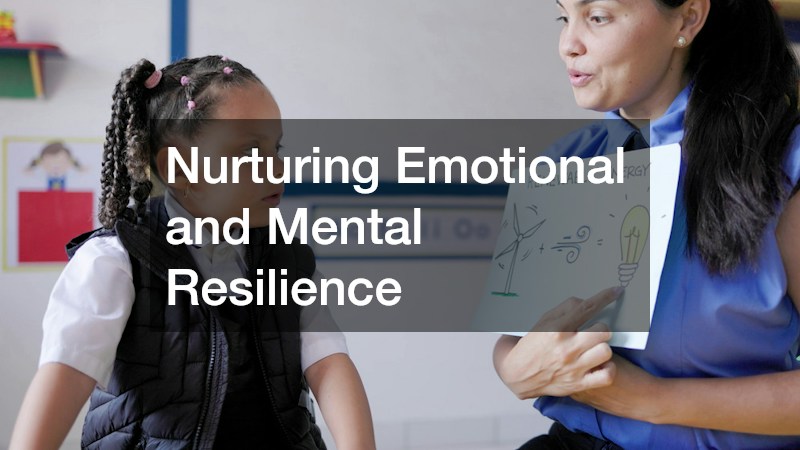
A child’s internal world is just as complex as their physical body. Nurturing mental health requires patience, active listening, and a willingness to seek external guidance when life adjustments or emotional distress become overwhelming.
Promoting Open Daily Communication
Creating a safe space at home where children feel comfortable sharing their feelings is the first step toward emotional resilience. Parents can institute a regular evening reflection period where family members discuss both the highlights and difficulties of their day. Validating a child’s feelings without immediate judgment teaches them that all emotions are manageable. Normalizing discussions about stress, anxiety, and social challenges removes any perceived stigma surrounding mental wellness.
- Ask open-ended questions about their day rather than queries that only require a simple yes or no.
- Model healthy emotional expressions by sharing your own daily feelings in an age-appropriate way.
- Establish dedicated uninterrupted time each evening to connect without digital screens present.
Harnessing Interactive Healing Approaches
Young children often lack the complex vocabulary required to articulate deep fears, grief, or anxiety. Creative therapeutic interventions allow kids to express internal struggles using symbolic tools and structured play activities. Engaging certified professionals in play therapy helps young minds process difficult emotions in an environment that feels safe and natural to them. Through guided interaction, children develop coping strategies, build problem-solving skills, and gain emotional control without feeling pressured to speak like adults.
Connecting with Community Resources
When emotional challenges persist or interfere with school and family life, accessing structured professional support is essential. Finding accessible local mental health services provides families with a network of guidance, from individual counseling to peer support groups. Navigating emotional wellness alongside trained therapists ensures that children develop healthy self-regulation mechanisms that will serve them well into adulthood.
Protecting Skin and External Health

The skin is the body’s largest organ and acts as the primary barrier against environmental elements. Children have sensitive skin that requires careful attention to prevent irritation, rashes, and long-term damage.
Establishing Healthy Sun Safety Habits
Sun exposure accumulates over a lifetime, making early protection critical for long-term health. Parents should apply broad-spectrum sunscreen with an SPF of 30 or higher to all exposed skin at least twenty minutes before kids head outdoors, even on cloudy days. Reapplication every two hours—or immediately after swimming and sweating—is vital. Equipping children with wide-brimmed hats, UV-blocking sunglasses, and lightweight long-sleeve rash guards adds an extra layer of defense during peak sun hours.
- Apply sunblock generously to overlooked areas like the tops of ears, feet, and the back of the neck.
- Seek shade under trees, umbrellas, or pop-up canopies during peak ultraviolet hours between 10 AM and 4 PM.
- Choose water-resistant, fragrance-free sunscreens formulated specifically for delicate pediatric skin.
Addressing Chronic Skin Conditions
Skin issues like eczema, persistent rashes, and pediatric acne require more than basic store-bought lotions. When chronic inflammation or mysterious breakouts occur, consulting certified dermatologists provides targeted relief tailored to delicate young skin. Specialized practitioners can identify specific triggers, prescribe safe topical remedies, and design daily skincare regimens that restore the skin barrier without causing further irritation.
Managing Daily Scrapes and Minor Wounds
Active play inevitably leads to minor cuts, scrapes, and insect bites. Cleaning small wounds immediately with mild soap and cool water prevents bacteria from settling into the skin. Applying a thin layer of protective ointment and covering the area with a sterile bandage promotes optimal healing. Teaching children not to pick at scabs minimizes scarring and keeps skin looking and feeling healthy.
Preparing for Urgent Medical Needs
Despite the best preventative efforts, sudden illnesses and unexpected injuries happen. Being prepared for minor medical emergencies reduces stress and speeds up recovery times.
Assembling a Home First Aid Kit
Every household should maintain a well-stocked first aid kit kept out of reach of young children but easily accessible to adults. Having a reliable supply of bandages, antiseptics, digital thermometers, and basic medical supplies on hand ensures that parents can handle minor burns, cuts, and fevers efficiently without scrambling for materials during stressful moments. Periodically checking expiration dates keeps the kit functional and ready for use.
- Keep digital thermometers, cold packs, and sterile gauze pads readily available in your primary kit.
- Store child-safe pain relievers and antihistamines with explicit dosage charts based on weight.
- Include a list of emergency contacts, local poison control numbers, and primary care physicians inside the container.
Identifying Urgent Medical Options
When a child experiences a sudden fever, deep cut, or minor fracture outside of regular office hours, knowing where to turn saves crucial time. Utilizing a local pediatric urgent care facility ensures that your child receives prompt attention from medical staff who specialize in handling young patients. These clinics offer a comfortable middle ground between a primary care visit and an emergency room, providing fast, child-centered care for non-life-threatening conditions.
Handling High Fevers Responsively
Fever is a natural signal that the immune system is actively fighting off an infection. Keeping a child comfortable involves dressing them in lightweight clothing, maintaining a cool room temperature, and offering plenty of fluids to prevent dehydration. Parents should monitor their child’s energy levels and behavior rather than focusing strictly on the thermometer. If a fever persists for several days or is accompanied by extreme lethargy, prompt medical evaluation is necessary.
Cultivating Healthy Lifestyle Habits
Long-term physical and emotional health relies on the simple daily choices families make together. Incorporating movement, balanced nutrition, and restorative rest forms the bedrock of vitality.
Designing Balanced Family Meals
Proper nutrition supports brain function, bone growth, and immune defense. Meals should feature a vibrant variety of whole foods, including leafy greens, colorful fruits, lean proteins, and complex carbohydrates. Involving children in meal planning and preparation encourages curiosity about healthy foods and fosters a positive relationship with nutrition. Limiting sugary snacks and ultra-processed foods keeps energy levels steady throughout the day.
- Offer colorful vegetables and fresh fruits as accessible, go-to snacks during afternoon study breaks.
- Serve water as the primary beverage during meals to cut down on unnecessary added sugars.
- Prepare home-cooked meals together to teach basic cooking skills and healthy dietary choices early on.
Encouraging Outdoor Physical Activity
Regular physical activity strengthens cardiovascular health, builds strong bones, and boosts mood by releasing endorphins. Children should engage in at least sixty minutes of moderate-to-vigorous physical activity daily. Simple family activities—such as bicycle rides, walks in the park, or recreational games of tag—make fitness an enjoyable part of daily life rather than a structured obligation. Reducing recreational screen time naturally opens up more opportunities for active play.
Prioritizing Consistent Sleep Hygiene
Restorative sleep is essential for cognitive development, memory consolidation, and physical recovery. Children require consistent sleep schedules that align with their age groups, ranging from nine to twelve hours per night. Establishing a peaceful pre-sleep routine—such as dimming household lights, turning off electronic devices an hour before bed, and reading a book together—signals to the body that it is time to wind down, ensuring deep, uninterrupted rest.
Nurturing a child’s health requires attention to both visible needs and emotional growth. By combining strong daily routines with timely professional care, parents empower their children to grow into happy, healthy, and resilient individuals ready to thrive in the world.




Post Comment