Smart Planning for Busy Families: Organizing Legal, Home, Health, and Responsibilities
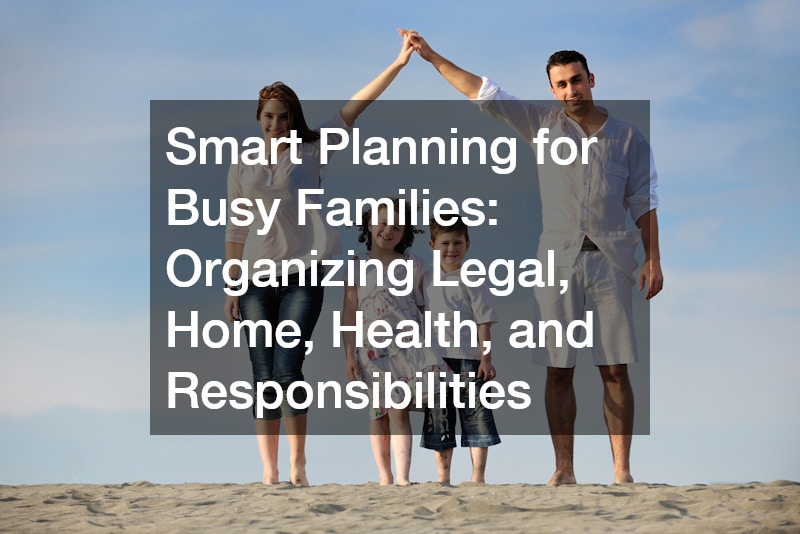
Modern family life rarely moves at a slow pace. Between work demands, school commitments, extracurricular schedules, financial planning, and household maintenance, it can feel as though every week brings a new responsibility. Without a system in place, even small tasks accumulate into mental clutter. The solution is not doing more; it is organizing smarter. When families build clear planning habits around legal matters, home upkeep, financial growth, health decisions, and personal development, they create stability even during high-demand seasons.
Smart planning begins with visibility. Families who use shared digital calendars, monthly planning meetings, and clearly assigned responsibilities avoid last-minute scrambling. Instead of reacting to problems, they anticipate them. Legal paperwork is reviewed before emergencies arise. Home projects are scheduled before deterioration becomes urgent. Health appointments are spaced intentionally rather than squeezed in. Financial conversations are proactive rather than reactive. By treating responsibilities as interconnected rather than isolated, families reduce duplication, confusion, and stress.
The following sections explore practical ways to organize diverse responsibilities across different areas of life. Each example highlights how thoughtful coordination, clear communication, and realistic timelines transform overwhelming obligations into manageable steps. Whether you are maintaining your home, making financial decisions, planning for the future, or supporting your children’s growth, structured planning allows your household to move forward with confidence and clarity.
Creating a Restful and Organized Home Environment
A well-organized home supports mental clarity, especially for families juggling multiple responsibilities. One overlooked element in creating calm spaces is installing a blackout shade in bedrooms or study areas. Quality sleep directly affects productivity, patience, and overall well-being. When children and adults rest better, they handle busy schedules more effectively. Addressing sleep quality becomes part of responsible household planning rather than a cosmetic upgrade.
To coordinate improvements, begin by identifying high-impact changes. Walk through your home and note areas that create stress or distraction. Perhaps early morning sunlight disrupts sleep routines, or glare interferes with homework time. Assign one family member to research options while another measures windows and tracks installation timelines. Keeping tasks clearly divided prevents confusion and keeps projects moving forward.
Once improvements are completed, evaluate how they influence daily routines. Better sleep and reduced distractions often lead to smoother mornings and fewer conflicts. Small adjustments can produce meaningful improvements in family dynamics. By treating environmental upgrades as part of your broader organization strategy, you ensure your home supports your goals rather than complicates them. Thoughtful planning turns simple changes into long-term benefits for everyone under your roof.
Evaluating Financial Growth and Long-Term Goals

Busy families often focus heavily on daily expenses while overlooking strategic growth opportunities. Exploring angel investment opportunities may sound ambitious, but financial literacy and long-term planning are critical components of family stability. Even if you ultimately decide not to pursue higher-risk investments, learning about them strengthens your overall financial awareness.
Begin by scheduling dedicated financial planning sessions. Separate routine bill management from long-term growth discussions. One partner can gather research on potential investments, while the other evaluates risk tolerance and long-term family goals. Include discussions about emergency savings, retirement accounts, and education funds to maintain balance. Diversification and clarity prevent impulsive decisions that could create stress later.
When evaluating new financial paths, avoid rushing. Set decision deadlines, review documentation carefully, and consult professionals if needed. The key to avoiding overwhelm is pacing. By breaking financial planning into phases—education, evaluation, consultation, and decision—you maintain control over the process. Organized financial conversations foster transparency and unity within the household. Instead of feeling intimidated by complex opportunities, families who approach finances systematically gain confidence in shaping their long-term future.
Preparing for Difficult but Necessary Conversations
No family enjoys discussing end-of-life planning, yet a responsible organization includes preparing for every stage of life. Talking about options such as affordable cremation may feel uncomfortable, but proactive discussions reduce emotional and logistical burdens later. Planning ahead allows families to focus on honoring loved ones rather than scrambling through urgent decisions during grief.
Schedule these conversations intentionally rather than waiting for a crisis. Choose a calm time and create space for open dialogue. One family member can document preferences while another gathers relevant legal paperwork. Ensure wills, insurance documents, and beneficiary information are stored in an accessible yet secure location. Clarity today prevents confusion tomorrow.
Approaching sensitive topics with empathy and structure makes them manageable. Frame discussions around respect and preparedness rather than fear. By treating these conversations as part of your overall organization strategy, you strengthen family trust. Difficult planning becomes an act of care, ensuring that even challenging moments are handled with dignity and clarity.
Maintaining Exterior Spaces With Intention

Home maintenance is easier when handled proactively. Scheduling regular power washing for siding, driveways, and patios prevents buildup that can lead to long-term damage. Instead of waiting until surfaces look severely worn, incorporate seasonal maintenance into your annual planning calendar.
Assign responsibilities for researching service providers, confirming appointments, and reviewing results. Keep a digital log of past services to track maintenance cycles. This prevents duplicate bookings or missed upkeep. Coordinating exterior care alongside other household tasks reduces last-minute stress before gatherings or property inspections.
Routine maintenance protects both property value and visual appeal. When handled systematically, these tasks feel manageable rather than disruptive. Organized scheduling turns maintenance into a predictable rhythm rather than an emergency reaction. By prioritizing preventive care, families maintain pride in their homes while avoiding unnecessary complications.
Managing Recreational Responsibilities
Families with boats understand that recreation also carries responsibility. Coordinating a reliable boat cleaning service ensures that leisure equipment remains safe and ready for use. Rather than treating cleaning as an afterthought, integrate it into your broader maintenance calendar.
Create a checklist that includes seasonal inspections, safety equipment reviews, and cleaning schedules. Assign one family member to track maintenance records and confirm appointments. Keeping documentation organized simplifies insurance matters and resale planning.
Recreation should feel relaxing, not stressful. By approaching upkeep systematically, families protect their investments and maximize enjoyment. Organized planning allows you to spend more time on the water and less time worrying about deferred maintenance.
Exploring Alternative Housing Solutions
Housing needs evolve over time. Some families explore downsizing or additional property options through tiny home builders. Whether creating guest space or pursuing minimalist living, these projects require structured planning.
Begin by clarifying the purpose. Is the space for aging parents, rental income, or personal retreat? Establish realistic timelines and regulatory research early. Divide tasks between budgeting, zoning research, and design consultations. Organized collaboration prevents miscommunication and delays.
When families approach housing alternatives thoughtfully, they reduce overwhelm. Breaking projects into research, design, approval, and construction phases keeps expectations clear. Careful planning transforms ambitious ideas into achievable milestones.
Expanding Living Areas Strategically

Outdoor expansions, such as patio rooms, offer additional functional space without full-scale construction. However, even moderate projects require coordination. Begin by defining intended use, whether for dining, work, or recreation.
Create a project timeline that aligns with seasonal weather patterns and school schedules. Assign one person to manage contractor communication while another oversees material selections. Clear task division prevents duplication of effort.
Thoughtful planning ensures new spaces integrate seamlessly into daily routines. Rather than disrupting family life, organized scheduling allows construction to progress efficiently. Expanding living space becomes a structured improvement rather than a chaotic interruption.
Coordinating Specialized Home Improvements
Some projects involve technical expertise, such as concrete cutting services for renovations or infrastructure updates. These tasks require precision and professional coordination. Begin with detailed assessments and written project scopes.
Hold planning meetings before work begins. Clarify safety precautions, timelines, and contingency plans. Assign one family representative to serve as the primary contact for contractors. This centralizes communication and prevents conflicting instructions.
Technical projects feel less overwhelming when approached methodically. Documentation, scheduling buffers, and defined roles keep the process organized. Even complex improvements can progress smoothly with structured oversight.
Another key to successfully managing technical renovation projects is anticipating how they will impact daily life during the process. Work involving structural adjustments or precision tasks can temporarily limit access to parts of your home. Before the project begins, create a temporary living plan that outlines alternative pathways, storage areas, and quiet zones for work or school activities. Communicate clearly with contractors about daily start and end times so your family can plan routines accordingly. It is also wise to build a small contingency buffer into both your timeline and your budget expectations, even when everything appears straightforward at the outset. Delays due to inspections, material adjustments, or unexpected structural discoveries are not uncommon, and preparing mentally for that possibility reduces frustration. Keep a shared digital folder with contracts, permits, diagrams, and progress photos so everyone involved stays informed. When improvements are handled with structure, transparency, and realistic expectations, even highly technical projects feel manageable. Careful coordination ensures that upgrades enhance your home’s long-term functionality without creating unnecessary stress in the short term.
Staying Connected Through Reliable Communication
In emergencies or remote situations, dependable communication tools remain essential. Visiting a trusted radio store for equipment upgrades ensures preparedness. Families who prioritize communication planning reduce stress during unexpected disruptions.
Develop a communication plan that includes backup devices and contact lists. Assign responsibility for maintaining batteries, updates, and storage. Periodically test equipment to confirm functionality.
Preparedness fosters confidence. Organized communication systems support safety and coordination, particularly during travel or outdoor activities. By incorporating preparedness into routine planning, families strengthen resilience.
Beyond equipment maintenance, families should also establish clear communication protocols so everyone knows what to do in different scenarios. For example, determine primary and secondary contact methods during travel, outdoor excursions, or severe weather events. Write down emergency contact numbers and distribute copies to each family member, including older children. Practice brief communication drills a few times per year so that using backup devices feels familiar rather than intimidating. In addition, consider designating a family meeting point or out-of-area contact person in case local networks are disrupted. Preparedness planning should be calm and educational, not fear-driven. Framing these conversations as empowerment helps children understand responsibility without anxiety. Regularly reviewing communication plans during family meetings keeps the information current and reinforces teamwork. When everyone understands the system and their individual role within it, communication becomes efficient and reassuring. Organized planning in this area strengthens overall household resilience and allows your family to respond confidently when unexpected situations arise.
Supporting Educational Growth Across Cultures

Education remains central to family development. Enrolling children in enrichment programs such as French classes in Singapore may reflect global opportunities or relocation plans. Coordinating international or specialized education requires structured planning.
Begin with research into curriculum standards, scheduling logistics, and cultural expectations. Assign one parent to manage enrollment paperwork while another tracks academic progress. Maintain organized records of tuition, materials, and deadlines.
Encourage children to participate actively in planning. Understanding expectations reduces anxiety and builds enthusiasm. By treating educational growth as a collaborative project, families maintain clarity even in complex transitions. Structured planning transforms global opportunities into manageable, enriching experiences.
Busy families thrive when responsibilities are organized intentionally rather than handled reactively. From home improvements and financial planning to education and preparedness, each area of life benefits from structured coordination. Shared calendars, clearly assigned roles, written documentation, and proactive conversations prevent small tasks from becoming overwhelming burdens.
Smart planning is not about controlling every outcome. It is about creating systems that support flexibility and clarity. When families approach legal matters, property maintenance, financial decisions, and educational growth methodically, they build resilience. Challenges still arise, but organized households respond calmly rather than frantically.
Ultimately, the goal is balance. By dividing responsibilities, communicating openly, and pacing major decisions, families create room for connection and rest. Organization becomes a foundation for confidence rather than a rigid rulebook. With thoughtful planning, even the busiest seasons can feel purposeful, manageable, and aligned with your long-term vision.




Post Comment