How to Choose the Best Early Education for Your Child

The journey of parenting is paved with milestones, from the first tentative steps to the first spoken words. Yet, few milestones carry as much weight or cause as much anxiety as the transition into structured early childhood education. As parents, we are flooded with questions: When is the right time to start? What type of environment will nurture my child’s unique personality? How do we balance our professional responsibilities with our desire to give our children the best possible start in life?
The early years of a child’s life are a period of unparalleled brain development. During this window, the foundations for cognitive, social, and emotional intelligence are laid down. Choosing how and where your child spends these formative hours is not just a logistical decision; it is a foundational one. However, the sheer volume of choices—ranging from home-based care to highly structured academic environments—can feel overwhelming.
This comprehensive guide is designed to dismantle that overwhelm. Instead of looking for a universally “perfect” program, the goal is to help you find the right fit for your unique family dynamic and your child’s specific temperament. By understanding the developmental roadmap from infancy through the early school years, you can make decisions rooted in confidence rather than pressure. Let us explore how to navigate this vital journey with clarity, intention, and peace of mind.
1. Assessing Your Family Logistics and Core Needs
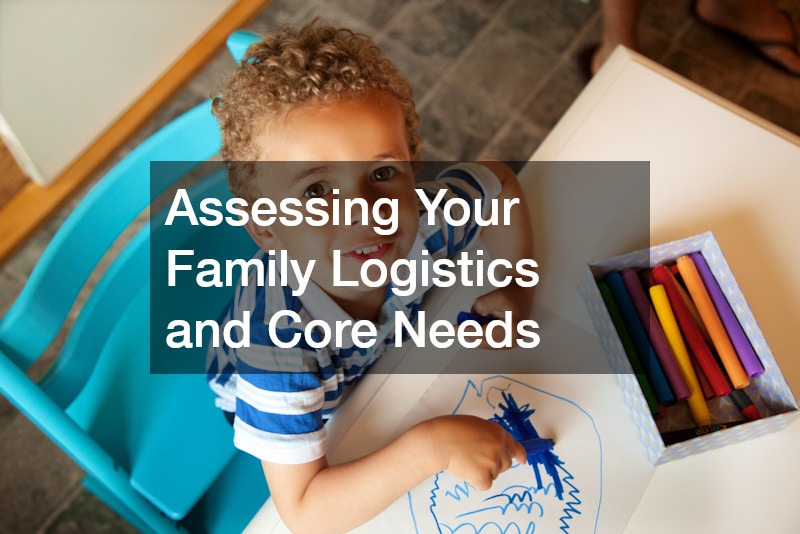
Before you begin touring facilities or interviewing providers, you must establish a clear understanding of your family’s practical realities. Every family operates on a unique rhythm dictated by work schedules, financial boundaries, home care, and geographic constraints. Sitting down to map out these factors prevents you from falling in love with a program that is ultimately unsustainable for your daily life.
To build a sustainable plan, consider the following logistical pillars:
-
Commute and Proximity: Calculate the distance not just from your residence, but also from your workplace. A facility close to your workplace might be ideal for mid-day emergencies or breastfeeding, while one close to home offers convenience on days off.
-
Financial Allocation: Determine a realistic monthly budget for early care. Remember to factor in hidden costs such as registration fees, supply fees, and charges for late pickups.
-
Schedule Alignment: Identify your exact coverage needs. Do you require early drop-off, extended evening hours, or coverage during school holidays and summer breaks?
For many parents, the initial instinct is to keep the child at home for as long as possible to maximize bonding time and maintain a controlled environment. While this is a wonderful option for some, it requires a realistic assessment of whether you can balance professional duties with active, engaged parenting. If you work from home, assuming you can seamlessly manage an infant or toddler during business hours often leads to burnout. Accepting that your child may need a dedicated infant daycare or a structured environment outside the house is a healthy step toward creating a balanced family life.
2. Evaluating Safety and Staffing Standards
Once you have defined your logistical boundaries, safety and staffing quality should become your top priorities. The physical and emotional well-being of your child depends entirely on the adults who supervise them and the environment they inhabit. A facility can have the most beautiful toys and advanced curriculum, but without rigorous safety protocols and highly qualified staff, it cannot provide a healthy foundation.
When vetting any early childhood environment, pay close attention to these critical indicators:
-
Staff-to-Child Ratios: Low ratios ensure that your child receives individual attention and that supervision is constant. For infants, a 1:3 or 1:4 ratio is standard excellence, while older children can thrive in slightly larger groups.
-
Employee Longevity: Ask about the staff turnover rate. High turnover can be a red flag for poor management or low morale, both of which directly impact the quality of care your child receives. Consistent faces build trust and secure attachment for young children.
-
Health and Sanitization Protocols: Observe the cleanliness of the facilities, diaper-changing areas, and food preparation spaces. Ask about policies regarding sick children, vaccination requirements, and emergency preparedness.
The individuals tasked with implementing these standards are the heart of any operation. It is essential to look for caregivers who view their role not merely as a job, but as a profession rooted in child development. When evaluating a premium childcare service, look for indicators of ongoing professional development, background checks, and certifications in pediatric CPR and first aid. The way staff members interact with children during your visit—whether they get down on the child’s eye level, speak in calm tones, and respond promptly to distress—will tell you more than any brochure ever could.
3. Understanding the Dynamics of Daily Schedules
As children grow past infancy, their need for a predictable yet flexible daily structure increases. Routine provides young children with a sense of security; when they know what to expect next, their anxiety decreases, and their capacity for learning expands. When exploring options for older toddlers and preschoolers, analyzing the daily schedule is a vital step in ensuring the program matches your child’s stamina.
A well-balanced daily schedule should always include:
-
Alternating Activity Levels: High-energy physical play should be balanced with quiet times for reading, puzzles, or resting.
-
Structured vs. Unstructured Time: While group activities teach cooperative skills, children also need blocks of open-ended time to choose their own play and explore their environment independently.
-
Transition Management: Look for programs that give children verbal or visual warnings before changing activities, helping them move from playtime to cleanup or lunchtime without emotional meltdowns.
Choosing a specific daycare service means looking closely at how they manage these daily rhythms over an extended period. For families where both parents work standard corporate hours, full-day preschool programs are often the most viable solution. These programs are designed to mimic a school day but extend into the late afternoon with enrichment activities, outdoor play, and quiet rest periods. Ensure that any full-day option you choose respects a child’s need for downtime; expecting a three-year-old to engage in academic or structured tasks for eight consecutive hours is counterproductive to their development.
4. Maximizing Developmental Milestones Through Play

The phrase “play is the work of the child” is the cornerstone of early childhood education. Brain research consistently demonstrates that young children learn best through active, hands-on exploration rather than passive instruction. When you walk into an early learning environment, you should see children moving, building, creating, and experimenting, rather than sitting quietly at desks filling out worksheets.
To ensure an environment is maximizing your child’s developmental potential, look for these elements:
-
Sensory-Rich Environments: Classrooms should feature water tables, sand pits, clay, paint, and textured materials that stimulate neurological connections.
-
Gross Motor Opportunities: Safe, inviting outdoor playgrounds or indoor movement rooms are essential for developing balance, strength, and spatial awareness.
-
Language-Rich Interactions: Teachers should be actively talking with children, asking open-ended questions, reading stories, and singing songs to build vocabulary and comprehension.
A curriculum focused on age-appropriate activities for toddlers should naturally foster independence, problem-solving, and social-emotional growth. When evaluating potential preschools, ask the educators how they handle conflicts between children over toys. A high-quality program uses these moments as teaching opportunities to build empathy and communication skills, rather than simply punishing or distracting the children. The goal of this stage is to build a confident, curious learner who loves exploration.
5. Deciphering Early Childhood Educational Philosophies
As you delve deeper into the world of early education, you will encounter various pedagogical philosophies. From child-led models to highly structured preparatory systems, each philosophy approaches learning from a different angle. Understanding these methods allows you to select an environment that aligns with your parenting values and complements your child’s unique learning style.
For parents drawn to self-direction and independence, seeking out the best montessori preschool can be a transformative experience. This method uses specialized, self-correcting materials and multi-age classrooms to allow children to work at their own pace, fostering deep focus and personal responsibility. Conversely, if your long-term educational roadmap involves transitioning your child into a competitive academic environment later in life, you might look for a program that aligns its curriculum to feed directly into the best private elementary school in your region. The key is matching the philosophy to your child’s temperament, as a highly active child may struggle in a rigid environment, while a child who craves order may feel anxious in a highly fluid one.
6. Managing the Emotional Transition for Parents and Children
The first day of drop-off is often accompanied by tears, not just from the child, but from the parents as well. Separation anxiety is a completely normal developmental milestone, but it can be managed effectively with preparation, consistency, and a partnership approach with your chosen school.
Educators who are experienced in early childhood understand that they are enrolling the entire family, not just the child. They will work with you to establish communication lines, sending updates or photos during the first few days to reassure you that your child has settled in. Remember that children absorb adult emotions; if you approach the drop-off with confidence, cheerfulness, and peace, your child will receive the signal that they are safe.
7. Assessing the Physical Environment and Learning Spaces
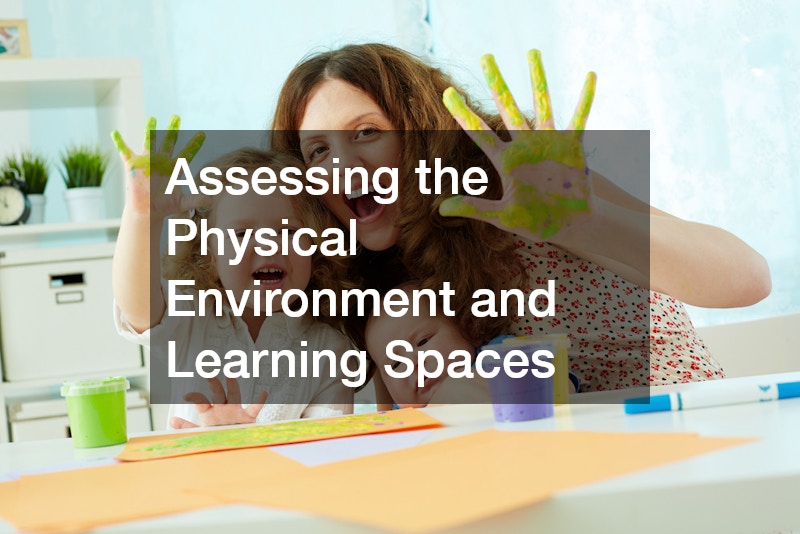
The physical space where your child spends their day acts as a “third teacher.” It should be intentionally designed to promote safety, inspire curiosity, and accommodate the varying energy levels of young children. When touring a facility, look beyond the surface aesthetics and analyze how the layout functions from a child’s perspective.
An environment that feels chaotic or cluttered often leads to chaotic behavior from the children. Look for spaces that feel calm, organized, and filled with authentic child artwork rather than generic, store-bought decorations. The outdoor space is just as critical; it should offer green elements, opportunities to dig in dirt or plant gardens, and varied terrain that challenges their physical capabilities safely.
8. Fostering Social and Emotional Intelligence
While academic readiness often dominates conversations around early education, social-emotional development is the true predictor of lifelong success. A child who can regulate their emotions, express their needs verbally, resolve conflicts peacefully, and cooperate with peers will naturally excel in any academic environment later on.
Look for a curriculum that explicitly values kindness, inclusivity, and community. Pay attention to how teachers handle behavior challenges; approaches rooted in positive discipline, redirection, and teaching replacement behaviors are vastly superior to time-outs or isolation tactics, which can induce shame and hinder emotional growth.
9. Building a Powerful Parent-Teacher Partnership
Your relationship with your child’s educators should be a collaborative partnership. You are the expert on your child’s history, personality, and quirks, while the teachers are experts in child development and group dynamics. When these two knowledge bases combine, it creates a powerful support system for your child.
When challenges arise—whether it is a regression in potty training, a phase of biting, or intense separation anxiety—approach the conversation with curiosity rather than defensiveness. Ask the teacher what they observe at school, share what you see at home, and work together to create a consistent strategy that can be implemented in both environments.
10. Preparing for the Long-Term Educational Journey

As your child nears the end of their preschool years, your focus will naturally shift toward the future. The habits of mind, social confidence, and independence they have developed during these early years serve as the launchpad for their kindergarten experience and beyond. Transitioning into the elementary years requires careful observation of your child’s readiness.
Take the time to research the elementary options available to you, attending open houses and talking with other parents. Whether you choose a public neighborhood school, a specialized charter program, or a private institution, the criteria for selection remain similar: look for an environment that honors child development, values creativity, and maintains high standards for community and character. Your active involvement and positive attitude toward education will be the greatest influence on your child’s academic success.
By grounding your search in practical family logistics, prioritizing safety and staff quality, and seeking out an educational philosophy that resonates with your family values, you can transform an overwhelming process into an empowering one. Remember that education is not merely a destination or a collection of academic facts; it is a lifelong relationship with curiosity and discovery.
As you take these steps forward, trust the research you have done, trust the educators you have chosen to partner with, and, most importantly, trust your instincts as a parent. The care, attention, and intentional choices you invest during these foundational years will serve as the bedrock upon which your child builds a bright, confident, and fulfilling future.

Post Comment